Mesa residents know that Arizona’s desert climate can bring intense winds and sudden thunderstorms during the summer. These weather events create unique challenges for homeowners and their landscapes. Palm trees, while strong and iconic, are vulnerable when not properly maintained. Many homeowners ask whether trimming palms can help prevent wind damage during storms — and the answer is yes, when it’s done correctly.
Why Wind and Thunderstorms Are a Threat to Palm Trees
Palm trees are tall, slender, and often topped with large canopies of fronds. In strong winds, these fronds act like sails, catching gusts and putting extra stress on the trunk. Dead or loose fronds are especially risky because they can break off and become dangerous projectiles.
A single falling frond can weigh several pounds, easily damaging roofs, cars, or even injuring people. Seed pods and fruit clusters also become hazardous when torn free during storms.
How Proper Palm Trimming Reduces Storm Damage
1. Removing Dead Fronds
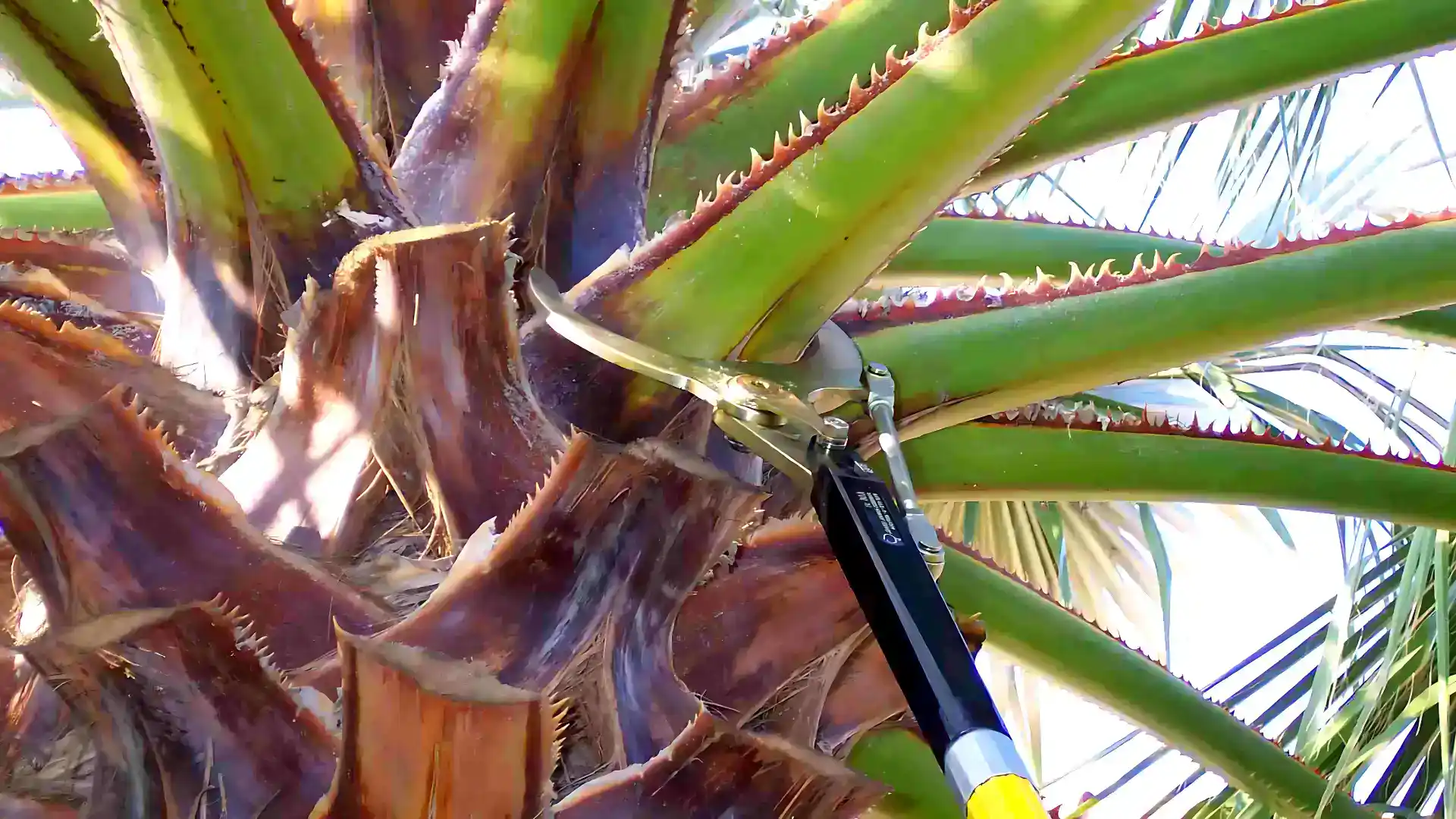
Dead fronds are brittle and more likely to snap off during storms. By trimming them away, you greatly reduce the chance of falling debris.
2. Thinning the Canopy
A carefully trimmed canopy allows wind to pass through more easily. This reduces strain on the trunk and helps the palm remain stable in high winds.
3. Eliminating Seed Pods and Fruit
Seed pods and heavy fruit clusters can be ripped from the tree and scattered in storms. Removing them prevents mess and damage.
4. Reducing Fire Hazards
In Arizona’s dry climate, lightning strikes can ignite dead fronds. Regular trimming keeps this risk low.
What Happens When Palms Are Neglected
Neglected palms are at higher risk during Arizona thunderstorms. Trees with large skirts of dead fronds may shed dozens of them in one storm, creating hazardous debris in your yard or neighborhood. In some cases, excess wind strain on an untrimmed tree can even weaken the trunk, putting the whole tree at risk of falling.
The Best Time to Trim Palms for Storm Preparation
For Mesa homeowners, the best time to trim palms is late spring to early summer. Trimming during this window clears away winter debris, reduces fire hazards, and prepares your trees for the strong winds and thunderstorms of summer.
Trimming too early can expose palms to cold damage, while trimming too late may leave your property unprotected. Scheduling trimming in May or June strikes the right balance.
Why Professional Palm Trimmers Are the Safe Choice
Trimming palms for storm safety requires more than cutting fronds. Over-trimming, also called “hurricane cutting,” removes too many green fronds and weakens the tree. This not only stunts growth but also reduces stability in high winds.
Professional palm trimmers understand how to:
Identify which fronds should be removed.
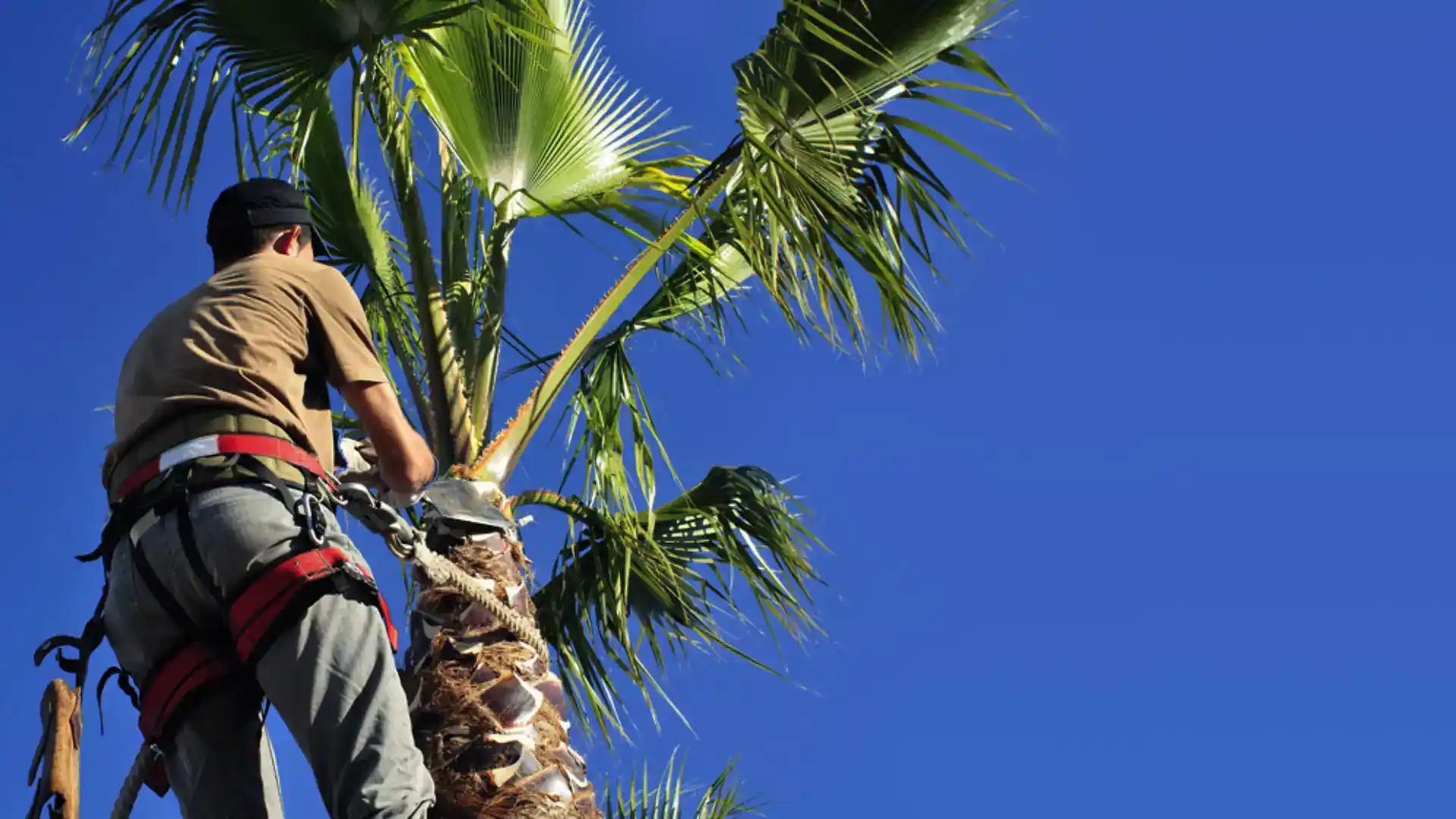
Work safely at heights that often exceed 50 feet.
Use proper equipment, including climbing gear and bucket lifts.
Ensure full cleanup so no debris is left to blow around in storms.
At Fronds Palm Trimmers, we specialize in preparing palms for Arizona’s tough weather. Our trimming methods improve health and stability, leaving your trees better able to withstand strong winds.
When Palm Removal Becomes Necessary
Sometimes trimming isn’t enough. If a palm tree is diseased, structurally weakened, or dangerously close to power lines, removal may be the safest option before storm season. A compromised palm can fall in high winds, causing significant damage. Professionals can safely remove the tree and eliminate the risk.
Conclusion
Palm tree trimming is one of the best ways to protect your property during Arizona’s windy thunderstorm season. By removing dead fronds, thinning the canopy, and clearing seed pods, you minimize hazards and improve your tree’s resilience.
For Mesa homeowners, trimming palms should be part of yearly preparation for desert weather. Trust Fronds Palm Trimmers to provide safe, expert service that keeps your palms healthy, stable, and storm-ready.